
7 ways to learn new English words quickly
Linguists advise to practice making sentences with new words. Make up examples revealing the meaning of the verb you need to memorize.
Vocabulary
Learn English
7 ways to learn new English words quickly
Linguists advise to practice making sentences with new words. Make up examples revealing the meaning of the verb you need to memorize.

Read, read and read again
While reading you improve your language skills. Even a native speaker expands his or her vocabulary every minute spent one on one with an interesting book. Unfortunately, quite a number of students has no idea how to read. They usually ask their mentors: what should they read? And the answer is more or less the same — read whatever you want!

If you are interested in football, read about football. Read football websites, football magazines, football news and books about football. Trust me, it is a decent way to get to know lots of new words. And be sure they will not be used just in the context of football. These words you will be able to use in many other ways.
Once you feel a bit more confident, start reading other topics. Read the news, read novels, read biographies. There are hundreds of daily news websites. And there are sites where you can read all the novels you want for free. And do not forget about libraries.
Use a Dictionary
It is amazing to understand how many students do not use dictionaries. I have seen students who simply do not know how to work with one. Plus, I have met parents who refuse to allow their children to use a dictionary as it is considered cheating.
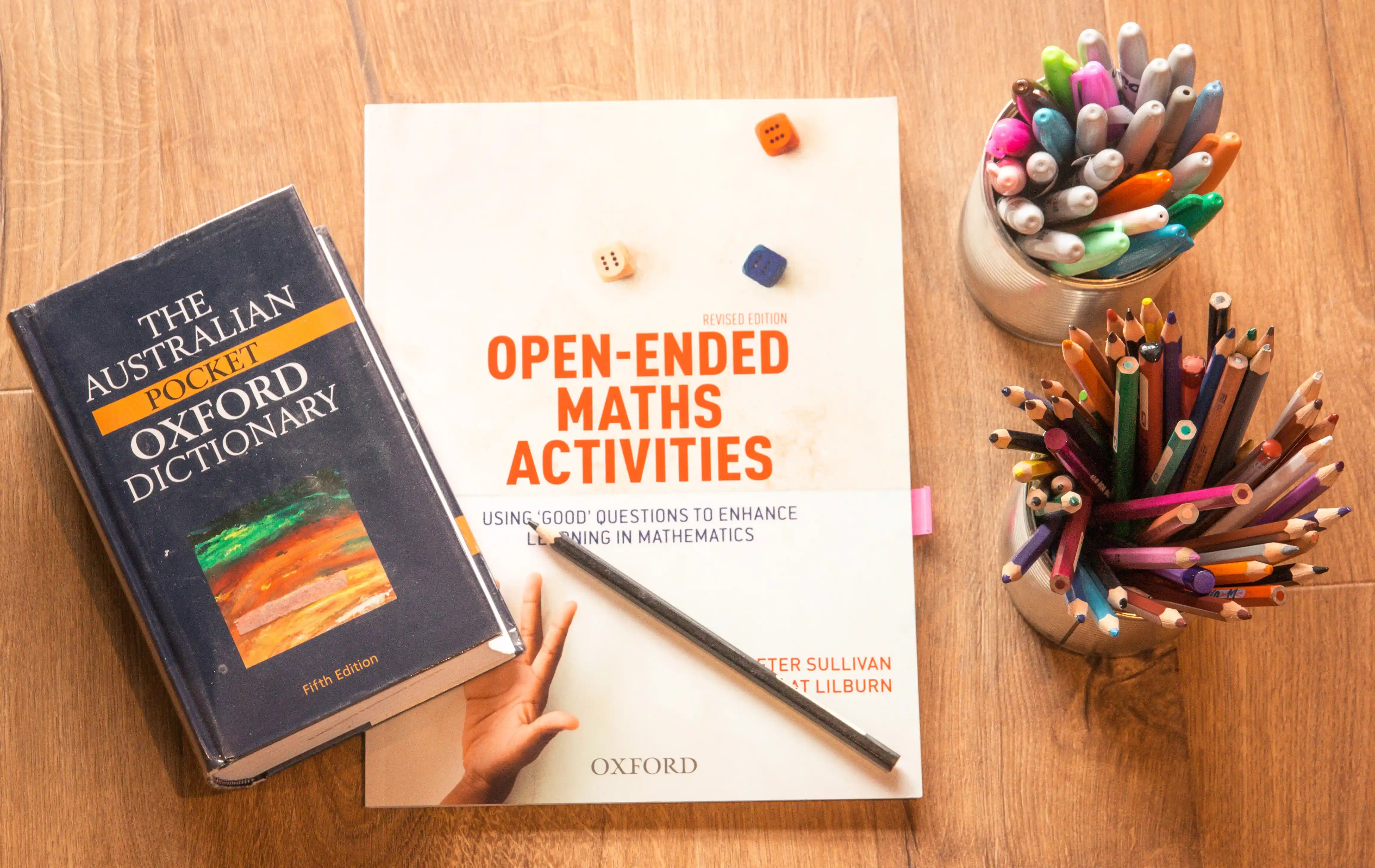
As a rule, I use dictionaries every day. It is helpful when I encounter words that I don’t know or I don’t know their exact meanings. So, I look them up. For English students, the best dictionary is a book one. But if you do not have one of those, use a dictionary app or open a website.
And you know what? Try not to use a dictionary that translates from English to your native language! It is a very lazy method and you are not practicing anything in English. Choose an English-only dictionary. It will obviously help to expand your vocabulary. When you read something and come across a word you don’t know, do not hesitate to look it up in the dictionary.
Keep a Vocabulary Notebook
So, you find a new word while reading. You would better look the word up in the dictionary and make a note of it. Make this into a routine. I agree that it can be boring. But after a month it will become your regular daily habit.

This is a simple method to make notes of new vocabulary: write the English word down, look it up in your dictionary and finally write down the meaning in English. If you need to write down the word in your native language, too. Do it!
It is helpful to use the word in a new sentence created on your own. You will learn to use the word in the right context.
Learn Words by Category or Theme
In vocabulary books, the publishers often create lists of words that are divided into categories or themes. It may be transportation. And then we make a list of words that are connected to transport and transportation. Cars, trucks, motorbikes, etc. It is not difficult to do such lists by yourself.

Just create your categories and your themes. Make lists of new words and it will help you in the process of memorizing. Let’s take the topic of vacation. Just think of words that are based on it. So, you have the words trip, airplane, seaside, tour guide, etc.
The simple act of writing your own list and looking up the meaning of the words by yourself reinforces the new words into your memory.
Make Collocations
Collocations are presented by words or groups of words that belong together. Common collocations are: go cycling, study French, practice singing, play basketball. Usually, a collocation consists of a verb and a noun.

Take words from your vocabulary notebook and try to make collocations with them. This may be hard at first but you will find that soon you could have huge lists of collocations. It is convenient to use them while studying.
For example; I should return these library books, my bike has run out of gas, I need to buy some more sugar, etc.
Word Formation
This is a little more advanced but it can make your English more fluent and standardized. English words usually have a root word at the very beginning. This root may be changed each time to make the word into a noun, a verb, an adjective and an adverb.

Let’s look at the word “collection”. The noun form is collection. There is also a verb “to collect”. Plus, an adjective “collective”. And an adverb “collectively”. If your goal is to make your English sound clearer then you really need to learn all the forms of these words. Not all words have all 4 forms, some only have 3. But you need to learn them and understand the difference in their use.
Open your dictionary and find the adjective form, verb form and adverb form of a noun. Quite often when you look up a word, the dictionary shows you the adjective and verb forms of this word.
Write a Blog
Among the best ways to practice new vocabulary is writing. And a really wonderful way to practice is by making a blog.

There are many free blogging platforms. Blogger, WordPress, Tumblr and Medium are the 4 most popular ones.
Write about whatever comes to your mind. Write stories, things about your daily life, something about your own country and share it with the world. You will understand that you are reinforcing all the new words you have learned into your memory. In any case, writing is a great skill to have.
Frequently asked questions
How many words do you need to know to speak English fluently?
Most English conversations use around 2,000–3,000 words. Knowing the 1,000 most common words lets you understand roughly 80% of everyday speech. Fluency usually comes around the 3,000–5,000 word mark.
What is the fastest way to learn new English words?
The fastest method is contextual learning — seeing and hearing words used in real sentences rather than memorizing lists in isolation. Using a vocabulary app for 5–10 minutes daily also accelerates retention significantly.
How long does it take to learn 1,000 English words?
With consistent daily practice of 15–20 minutes, most learners can learn and retain 1,000 words in 2–3 months. Spaced repetition apps speed this up by showing you words right before you forget them.
Does reading help you learn vocabulary faster?
Yes. Reading exposes you to words in natural context, which improves both understanding and retention. Reading topics you enjoy is especially effective because it keeps you engaged and returning regularly.
Learn English with YouTube and Netflix
Practice articles and vocabulary in real series and videos
See grammar in context with dual subtitles — then save words in one click. Free eLang browser extension.
Додати в браузерPractice what you learned
Vocabulary: Learn Words Daily
Memorize 5,000+ frequently used English words — fast.


Попередня стаття
Наступна стаття
Попередня стаття
Наступна стаття
You might also like: